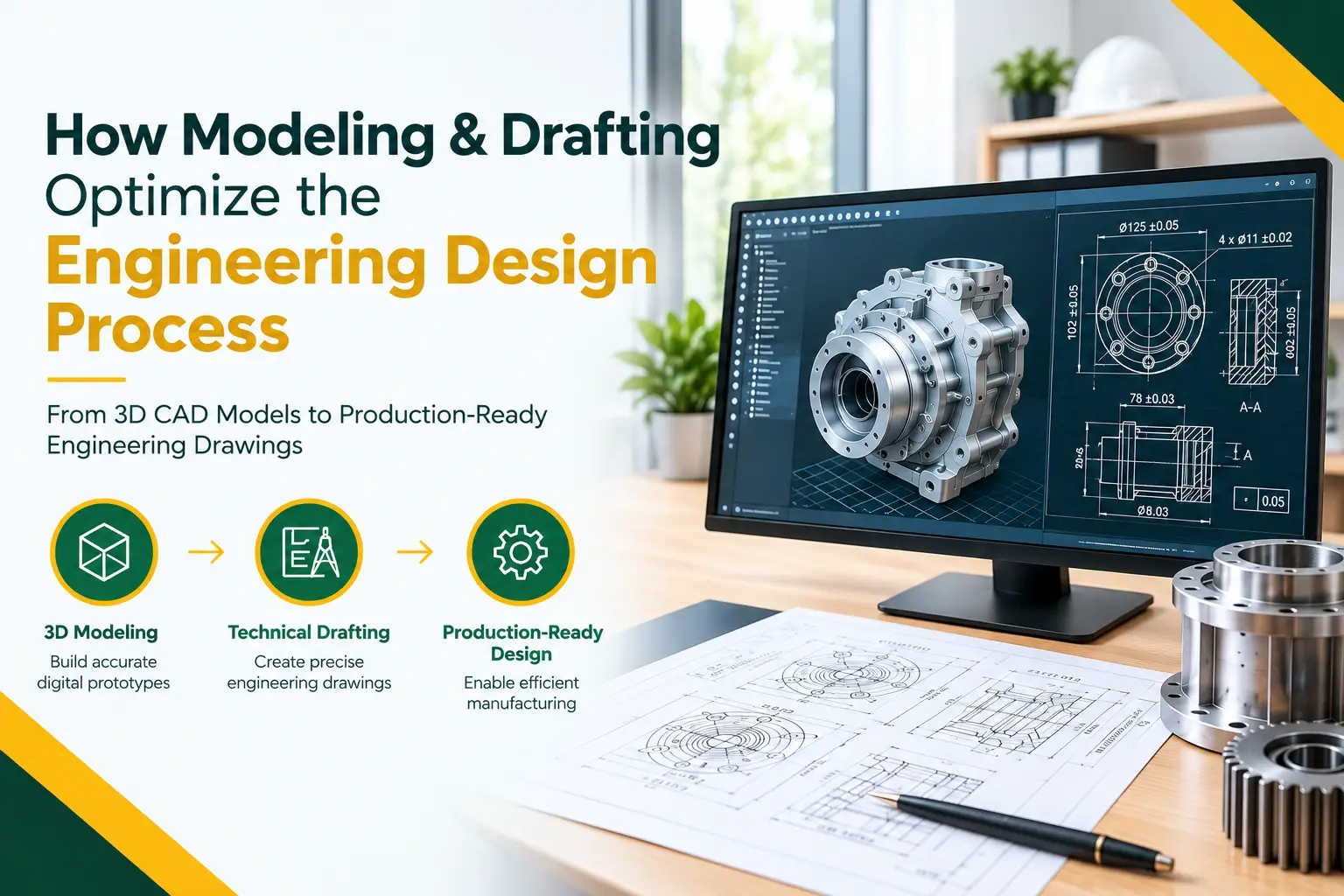
You know how modeling and drafting optimize the engineering design process. Modeling and drafting is the foundational phase of engineering design services that helps engineers attain a clearer roadmap of the final product. Through this technique, they can cut unnecessary rework costs and help businesses deliver high-quality products that align precisely with the clients’ expectations.
Continue reading this blog to explore more about this design solution and how businesses can leverage this technique to enhance their enterprise’s scalability.
Key Takeaways
- 3D modeling turns abstract ideas into testable virtual products, enabling early visualization, digital simulation, and error detection before physical production begins.
- Drafting translates 3D models into manufacturing-ready instructions by defining precise dimensions, tolerances, and assembly sequences so machinists execute designs accurately.
- Clear tolerances and manufacturing notes prevent costly reworks by accounting for real-world material behavior like thermal expansion, avoiding overfitting or underfitting issues.
- Revision control creates a clear audit trail, which is essential for compliance, patent filing, and IP protection throughout the design lifecycle.
- Choosing the right CAD partner hinges on five factors: technical skill in tools like AutoCAD, CATIA, and SolidWorks, a proven portfolio, strong communication and NDA practices, solid tech infrastructure, and transparent pricing.
What Role Does 3D Modeling Play in the Engineering Design Process?
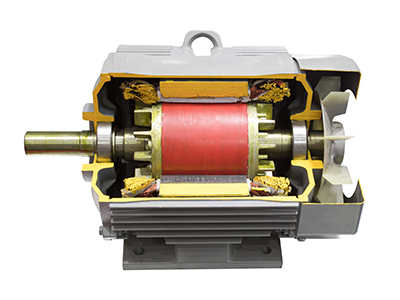
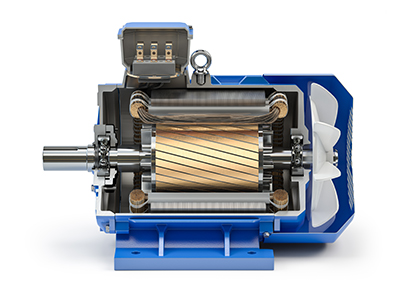
3D modeling helps businesses transform abstract ideas into realistic virtual products. Many small and large companies are implementing it into their workflows today by outsourcing reputed mechanical engineering design services.
- Early Visualization: They can visualize intricate details of the products through these 3D models, which help them mitigate flaws before they are practically deployed.
- Digital Testing and Simulation: They can analyze the behavior of the actual product through a model under real-world conditions, for instance, high stress loads, temperatures, and pressures beforehand.
- Team Collaboration: All the team members have unified access to the production process, which prevents misunderstandings and distrust within the team.
- Error Detection: They can seamlessly assess the fit of the components virtually (and rectify the same) within an assembly for size modifications.
- Direct Manufacturing: Manufacturers can turn 3D models into ready-made products through techniques like additive manufacturing and subtractive manufacturing.
How Does Drafting Prepare Models for Manufacturing?
Manufacturers prepare models by evaluating and specifying the exact dimensions, tolerances, materials, and assembly instructions in their drafting techniques.
1. Defining Precise Dimensions
The design team begins by establishing critical measurements, baseline datums, and other pivotal areas within a design to help machinists know where to remove or assemble the material. Precise dimensions are helpful for businesses to stay compliant with international standards.
2. Setting Tolerances
No fitting is 100% perfect. External conditions and material behavior can require modifications stemming from parameters, such as metal expansion under extreme temperatures. For such scenarios, designers always keep certain tolerances within a material to prevent overfitting and underfitting situations.
3. Communicating Manufacturing Intent
To ensure proper team coordination, designers add notes on intricate details like surface finishes, thread specifications, and the draft angle within the 3D model. Using this information, the production team can manufacture the right product, avoiding unnecessary rework hassles and downtime.
4. Guiding Assembly Sequences
The key benefit of the 3D models is that stakeholders can view the digital prototype from any angle, such as isometric and multi-view orthographic projections. Designers add all the critical details for the assembled components to help the production team know how these parts are fitted together.
5. Controlling Revisions
When the design process is complete, the team maintains a clear audit trail of all the changes made during the process. This helps them navigate compliance-oriented challenges and complete the legal formalities related to patent filing and intellectual property protection.
What Should Businesses Look for in a 3D Modeling & Drafting Partner?
To choose the right providers of engineering design services, you need to evaluate their expertise, working process, and pricing structure.
- Core Technical Skills: The provider should be familiar with the key 3D design software, such as AutoCAD, CATIA, and SolidWorks. Additionally, you must verify the file formats to ensure they can deliver the project under the required specifications.
- Experience and Portfolio: Check if they have worked on similar projects before. Assess their portfolio for complex designs, clean geometry, and realistic rendering or precise drafting. Also ensure they can meet strict deadlines precisely without hindering product quality.
- Communication and Workflow: Assess how they handle client feedback and address design changes and revisions. Also check whether they adhere to relevant measures of intellectual property protection, such as signing Non-Disclosure Agreements (NDAs).
- Technological Infrastructure: Ensure they possess sufficient computing power to undertake your projects. Confirm whether they use encrypted servers, secured cloud networks, and other similar measures to mitigate security breaches.
- Pricing & Contractual Clarity: Upon verifying all the above details, analyze their price structures to determine any hidden costs. Ask upfront if the computing overhead, software licensing fees, or data transfer expenses are covered in the baseline costs.
Conclusion
Modeling and drafting are the foundational backbone of mechanical engineering. Many studies have indicated the direct linkage between production delays and faulty design models.
These services assist businesses in mitigating costly reworks and unnecessary downtimes by delivering error-free products that can easily tackle abnormal conditions (such as heavy loads) without losing quality standards.
Thus, you must choose the engineering design service provider possessing the right technical skills, expertise, established portfolios, workflow standards, and technological infrastructure. At Dansob, we combine deep CAD proficiency with a client-first approach to help businesses transform ideas into reliable, production-ready designs. Connect with our engineering team to reinvent the new era of innovation!
Frequently Asked Questions
-
What is the Difference Between Modeling & Drafting?
Modeling refers to designing 3D digital models, whereas drafting is creating flat, two-dimensional (2D) technical drawings used as physical blueprints for construction or manufacturing.
-
What is the Typical Turnaround Time for 3D Modeling and Drafting Projects?
The exact turnaround time depends on the complexity and scope of work. Realistically, it ranges from a few days for simple parts to 6–8 weeks for complex architectural or industrial scenes.
-
What Pricing Models are Available for 3D Modeling and Drafting Services?
3D modeling and drafting services generally use an hourly rate model, fixed-price model, unit-based model, or tiered packages, depending on project clarity, scope, and deliverable types.
-
How is Data Confidentiality and IP Ownership Handled During the Project?
Data confidentiality and intellectual property (IP) ownership are handled through legal contracts like Non-Disclosure Agreements (NDAs) and clear terms in project agreements before any work begins.
-
Can the Provider Scale for Large-Volume or Multi-Project Engagements?
Yes, professional 3D CAD modeling and drafting providers are specifically structured to scale for large-volume and multi-project engagements.