A commercial plane or military jet needs systems to stay safe, comfortable and on track. Aerospace power systems help engines and wings to work smoothly. They create and send to every single piece of equipment on board. The aircraft electrical systems market size will reach USD 37.07 billion at an annual growth rate of 7.28% by 2031. The aviation industry needs lighter and more reliable planes. Everything needs a steady flow of power, whether it’s screens in the cockpit or air conditioning.
Let’s find out what these power networks are and how they keep planes safe and efficient.
What is an Aerospace Power System?
An aerospace power system is the complete network that keeps aircraft running smoothly. Every modern jet needs reliable energy to run its lights and computers. Aerospace power systems turn mechanical energy from the jet engines into electricity and air pressure. It keeps all components on the plane running smoothly. Modern aviation is moving toward the concept of the more electric aircraft. Replacing heavy fluid lines with wires makes planes lighter and allows them to burn less fuel.
- Converting Engine Energy
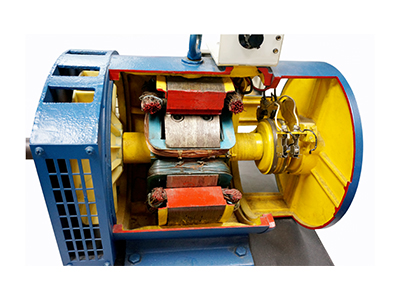
These systems use specialized aerospace technology to turn the raw mechanical energy from airplane engines into electrical energy.
- Distributing Power Safely
The generated power is distributed and sent to different paths where its needed. It allows a pilot to communicate and safely control the plane’s path.
How is Power Generation Making a Shift in Aviation?
Aircraft need hydraulic fluids and pneumatic air pressure. Basic electronics help in running the power brakes and maintaining cabin pressure. But the aviation industry is going through a change nowadays.
Moving Toward the More Electric Aircraft
The industry is moving towards More Electric Aircraft (MEA). This design strategy uses lighter electrical systems instead of a hydraulic network. Aerospace power systems make planes lighter, let them use less fuel and face fewer mechanical failures.
Advancements in Aerospace Power Systems
Modern aerospace power systems can handle the heavy electrical loads. Generators attached to the main engines produce high-voltage alternating current (AC). An advanced software helps manage power so that sudden drops in energy don’t impact the components.
Streamlining Electrical Power Generation and Distribution
A modern aircraft needs an electrical power generation and distribution system. They help in efficiently creating power and send it over long lengths of wiring. Advanced internal frequency converters and generators ensure that energy is always available when weather or altitude changes.
How Do Aircraft Electrical Power Systems Ensure Safety in Real-World Emergencies?

Reliable aircraft electrical power systems are necessary to handle emergencies. When an aircraft suffers a severe primary electrical failure or loses its main engines, backup power networks must activate instantly to keep the flight crew in control.
- Air Transat Flight 236 (2001)
The Incident
This commercial airliner had a fuel leak while flying over the Atlantic Ocean. It caused both engines to fail, resulting in a total loss of primary electrical power.
The Power Solution
An emergency backup system called a Ram Air Turbine (RAT) was deployed automatically. The turbine generated just enough critical electrical power to keep the flight instruments active and control surfaces moving. This allowed the pilots of Air Transat Flight 236 to fly safely for 75 miles to an airport in the Azores and save the people on board.
- US Airways Flight 1549 (2009):
The Incident
US Airways Flight 1549 hit some birds shortly after takeoff from New York. It caused a complete failure of both jet engines and led to a sudden drop in primary electrical generation.
The Power Solution
The Auxiliary Power Unit (APU) and backup battery systems helped maintain power to electronic flight displays and fly-by-wire computer controls. This constant supply of emergency electricity allowed the crew to maintain stable control of the aircraft and land on the Hudson River. It helped ensure the survival of 155 passengers and crew.
Qantas Flight 32 (2010)
- The Incident
An engine on the Airbus A380 exploded after taking off from Singapore. It led to the cutting of vital wiring bundles and shut down two main electrical networks. - The Power Solution
After structural damage, the electrical power distribution system spotted a different new route for the remaining electricity. Backup lines kept the captain’s critical cockpit screens alive and preserved basic steering controls. This allowed the crew of Qantas Flight 32 to maintain control and land passengers safely.
What Regulations and Safety Certifications Govern Flight Power?
Strict safety standards govern the design, manufacturing and maintenance of aircraft electronics. Complying with these standards helps prevent power failures. Regulatory bodies ensure that every generator and distribution box can work in every environment.
- Federal Aviation Administration (FAA) & EASA Regulations
Aerospace designs must prove complete compliance with continuous airworthiness guidelines before ever carrying passengers. This includes passing stress testing for electromagnetic interference (EMI) and
radiation exposure.
- DO-160 Certification
This is the environmental testing standard for airborne equipment. It guarantees that the power distribution hardware can function well when lightning or shocks hit the structure.
Choose Experienced Engineering Partners for Cutting-Edge Aerospace Technology
Building and maintaining these advanced power systems requires highly specialized expertise. It requires knowledge of electrical failure prevention and complex software design. This is where aerospace engineering services become essential.
Dansob leverages innovative aerospace technology for various engineering applications. We provide premium design, modeling and analysis solutions for advanced aviation needs. Our team ensures that the electrical designs are lightweight and reliable. We meet international safety certifications for aviation companies. Visit Dansob for reliability engineering and aircraft engineering services.
FAQs:
1. What are the main sources of power on an airplane?
The primary power comes from generators connected directly to the aircraft’s main engines. A small backup engine, called the Auxiliary Power Unit (APU), provides electricity and air conditioning during emergencies.
2. What happens if an aircraft’s generator fails during a flight?
If a primary generator fails, another engine generator instantly takes over the electrical load. If all main generators fail, backup batteries and a deployable wind turbine called a Ram Air Turbine (RAT) help provide power.
3. Why is the aviation industry moving toward electric systems?
Shifting toward aircraft electrical power systems helps improve fuel efficiency. It also reduces carbon emissions and makes the aircraft much cheaper to maintain.
4. How does an OBOGS make oxygen without a storage tank?
An OBOGS takes ambient air from outside the aircraft and passes it through a chemical filtration system. This filter traps nitrogen and other gases while allowing oxygen to pass to the pilot’s mask.
5. Why is vibration control important in aircraft?
Continuous vibrations from engines can damage an aircraft’s structure. Controlling these vibrations protects the airframe from damage, safeguards sensitive electronics and makes the flight much smoother.