What keeps the aircraft stable at a 30,000-foot height and autonomous vehicles steady on a crowded lane? The answer lies in advanced control systems!
At first impression, it seems like a controlling mechanism, but in reality, it’s much beyond that. It is a backbone of modern aerospace and automotive technologies, sensing, managing, and optimizing complex functions such as flight control, vehicle dynamics, powertrain management, and autonomous driving.
Let’s share the spotlight on this technology in this post by delving deeper into how it works and the benefits it offers for pro businesses.
Why is Precision Control Pivotal for Flight and Vehicle Safety?
Every millisecond is critical in flight and automotive operations. A minute failure can derail the entire operation. Precision control, including aerospace control systems, emerges as the solution to this critical challenge.
- Instant Corrections: It immediately adjusts the thrust and control surfaces in response to disturbances caused by stalls and undue crosswinds that could misbalance the aircraft’s movement.
- Tolerances for Error: It minimizes errors in the engine due to wear of its sub-components such as the piston and gudgeon pin.
- Dynamic Adaptation: It automatically compensates for shifting weight, fuel burn, or changing altitudes in real time.
- System Redundancy: It provides mechanical or hydraulic energy backup in case the primary power source fails or faces unexpected resistance.
- Workload Reduction: It automates multiple microadjustments so that the pilot-driver can focus on high-level navigation and be involved in strategic decision-making.
From Sensors to Software: The Architecture Behind Modern Control Systems
Advanced control systems work through a connected system involving physical layers like sensors, edge & control hardware, and software & cloud layers.
Physical Layer
Physical layers are the outer layers you typically see that interact directly with the real world. It doesn’t think; it only feels and moves as per the given command. This includes:
- Sensors: Read physical parameters like temperature, speed, and pressure.
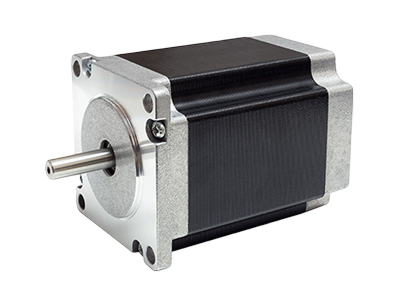
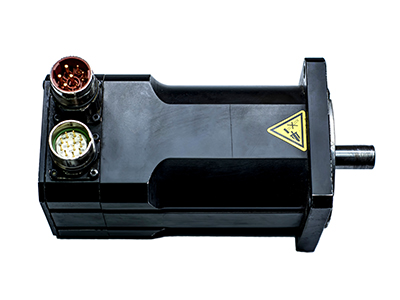
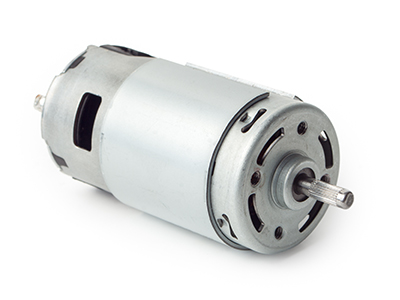
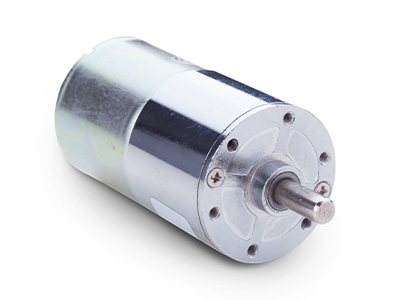
- Actuators: Act as the arm that performs the given physical task, such as adjusting a valve, moving a robotic arm, or controlling a motor.
- Fieldbuses: Move raw data from sensors using wires or radio signals.
Edge and Control Hardware
This layer provides the local control. It acts on data in real-time and makes instantaneous decisions instead of waiting for instructions from a remote system. It includes:
- Programming Logic Units (PLUs): Handle fast local tasks such as switching off the engine if the sensor detects abnormal temperature rise.
- Remote Terminal Units (RTUs): Useful for monitoring and controlling equipment in remote locations with limited internet accessibility by sending their useful data to the relevant headquarters.
- Edge Gateways: Perform data cleaning and optimization before it is sent to the cloud to ensure proper structure and accuracy.
Software and Cloud Layer
It is the main layer that oversees the entire operation and handles human interaction, big-picture strategy, and long-term storage.
- SCADA: Gives an overview of the ongoing processes in real-time by visualizing real-world data and analyzing for any bottlenecks or challenges in the system.
- Historians: Collect past data to detect patterns and suggest changes that could enhance system operations.
- Cloud AI: Runs deep math models to guess when a machine might break.
The Future of Advanced Control Systems: Autonomy, Electrification, and Adaptive Control
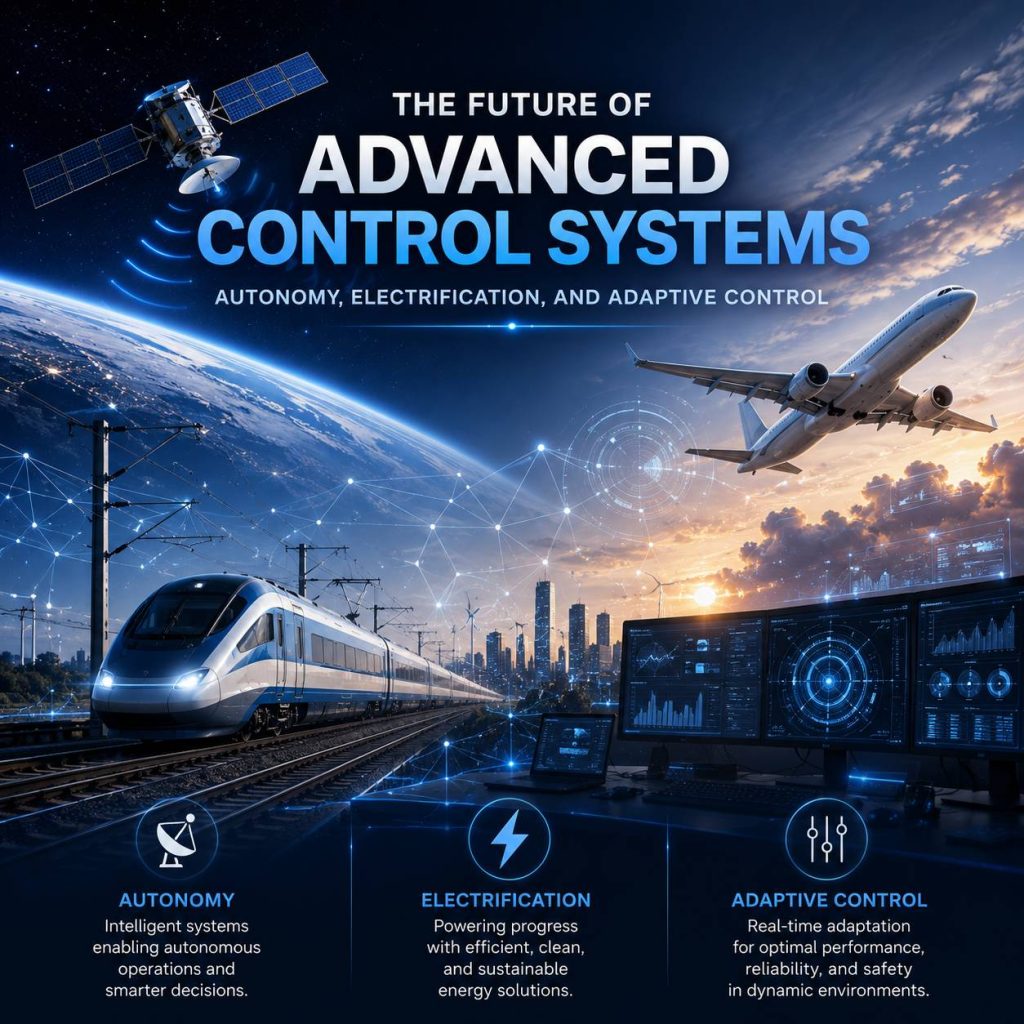
With the advancements in digital technologies such as AI and cloud computing, future control systems are likely to become more autonomous by giving machines the ability to mitigate errors proactively and incorporate additional technologies to amplify their workflows.
1. AI-Driven Control
Artificial Intelligence (AI) and Machine Learning (ML) will make control systems more intelligent by learning from past processes in ways not possible through human cognitive ability alone.
2. Greater Autonomy
Advanced controllers will enable machines and systems to perceive their environment in real-time, make self-decisions, and perform operations with minimal human interference, with better accuracy and precision.
3. Adaptive Control
Modern controllers can instantly readjust to changing environmental conditions and perceive their system dynamics to maintain performance and peak reliability. Such technologies will be a lifesaver during unpredictable system failures, leading to catastrophic consequences.
4. Electrification
As mobility and industrial systems become more electrified, the control systems will be pivotal to form a connecting link between electrical, mechanical, and thermal power for greater efficiency and performance.
5. Safe & Resilient Systems
Future control architectures will combine intelligent adaptation with robust safety mechanisms to deliver reliable performance in uncertain and safety-critical environments.
Conclusion
Advanced control systems have transformed the dynamics of next-gen aerospace and automotive technologies by shifting from reactive mechanisms into proactive, intelligent platforms. They can easily connect sensors, hardware, software, and AI to optimize complex operations ranging from autonomous flight control to intelligent vehicle systems.
The future of these advanced process control systems centers on greater autonomy, adaptive performance, electrification, and resilient safety-critical operations. Dansob, with its long-lasting legacy of trusted engineering solutions, has always delivered the services that matter on a practical stage. Our priority has always been measurable results over unsubstantiated claims.
Come, unveil the new dimensions in your aerospace and automobile technologies with our proud engineering team and experience the next-gen possibilities like never before. Connect NOW!
FAQs
- How Does Adaptive Control Handle Legacy Aircraft Integration Challenges?
Adaptive controllers use online parameter estimation and gain-scheduling wrappers, letting new algorithms interface with legacy avionics buses without full rewiring or costly hardware replacement across aging fleets.
- How Do Advanced Controllers Manage Thermal Constraints in Electric Powertrains?
Advanced controllers apply predictive thermal modeling, dynamic current limiting, and real-time derating logic, balancing performance with battery and inverter temperature thresholds to prevent degradation or failure.
- What are the Total Cost Implications of Migrating From PID to MPC Controllers?
Migration costs include software licensing, computational hardware upgrades, and engineering validation time, though long-term savings emerge through reduced downtime, energy efficiency, and fewer manual tuning cycles.
- How Do Zonal Architectures Reduce Control System Complexity in Software-Defined Vehicles?
Zonal architectures consolidate wiring and ECUs into regional hubs, cutting harness weight and centralizing software logic, which simplifies integration, diagnostics, and over-the-air updates significantly.
- What are the Validation Challenges for Neural Network-Based Fault Detection in Flight Controls?
Key challenges include explainability, certifying non-deterministic outputs under DO-178C standards, and proving reliability across rare edge-case failure scenarios within safety-critical flight environments.