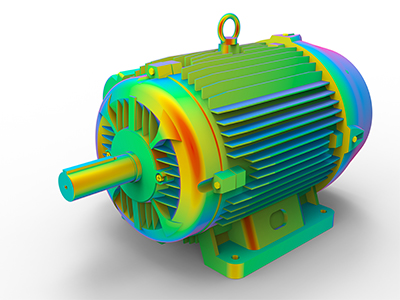
Modern industries require systems that maintain their operational performance during high-stress conditions. Businesses now regard reliability as an essential performance requirement for their products and systems. Organizations use reliability engineering solutions to minimize their operational risks while they maintain lifecycle expenses and achieve better performance results. Dansob provides organized engineering solutions which assist industries in creating reliable systems.
Reliability engineering studies how systems behave in predictable ways. It verifies that products or systems deliver their expected performance results during actual usage. Let us tell you how we use innovative design and analysis methods to assist companies in designing products or systems that operate reliably.

Ensuring Dependable Performance Across Industries
Reliability engineering works as the foundation for every system to achieve dependable performance across industrial applications. A reliable system supports optimum functioning of advanced equipment, electronic devices, and interconnected operational components. The engineers build reliability features into the systems from the design stage instead of waiting to fix problems after they occur.
Dansob helps organizations achieve dependable performance through disciplined reliability engineering and analysis. The goal stays simple. Systems should operate as intended with minimal downtime and reduced failure risks.
Industries benefit from this approach in several ways:
- Improved operational continuity
- Reduced unplanned outages
- Higher customer confidence
- Lower lifecycle costs
Dansob aligns reliability goals with business objectives from the earliest design stage.
What Is Reliability Engineering?
Reliability defines the probability of how well a system or product functions under certain conditions for a specified period of time. Reliability assessment examines three factors which include operating conditions, stress factors and usage patterns. Engineers treat reliability as a measurable performance attribute.
Key reliability concepts guide engineering decisions:
- Predictable system behavior
- Controlled failure mechanisms
- Quantified performance metrics
- Risk-informed design choices
Dansob applies these concepts across product development, testing, and operational support.
Key Reliability Metrics That Drive Engineering Decisions
Reliable systems depend on accurate performance measurement. Engineers use standardized metrics to evaluate reliability goals and track improvements.
Here are some reliability metrics:
- Mean Time Between Failures (MTBF)
- This metric represents the average time between failures for repairable systems.
- This metric represents the average time between failures for repairable systems.
- Mean Time To Failure (MTTF)
- Represents expected lifetime of non-repairable components
- Represents expected lifetime of non-repairable components
- Availability
- Indicates the probability that a system operates when required
- Indicates the probability that a system operates when required
- Failure Rate
- Tracks frequency of failures over a specific time period
Dansob uses these metrics to validate system designs and maintenance strategies.
Why Reliability Engineering Matters for Modern Businesses
Reliability engineering protects human life and physical assets through its protective measures. Reliability-oriented system designing allows organizations to avert catastrophic failures. Having dependable systems and products instills faith in customers in their usage over their intended lifecycle.
Reliability engineering delivers tangible business benefits:
- Operate Safely
Prevent failures in aerospace, defense, and healthcare environments
- Work more efficiently
Keep your system running longer and avoid production stops
- Lower your costs
Spend less on repairs and cut down on unexpected downtime
- Help your products last longer
Address failure risks early in design and operation
Dansob integrates these benefits into every engineering engagement.
Our Approach to Reliability Engineering
We follow a structured and data-driven methodology. We align reliability goals with customer specifications and industry regulations. Engineers focus on prevention rather than correction.
Our reliability framework emphasizes:
- Early risk identification
- Quantitative analysis
- Standards compliance
- Continuous improvement
This approach enables businesses to develop innovative systems designs while preserving their safety and integrity.
Reliability Engineering Tools and Techniques
The reliability engineers use established analytical tools to find system vulnerabilities which help them make informed design choices. They use validated industry methods to produce quantifiable business outcomes.
Here are some key tools and techniques:
- FMEA – Failure Mode and Effects Analysis
- This method identifies potential failure modes, their underlying causes, and their associated effects.
- This method identifies potential failure modes, their underlying causes, and their associated effects.
- Reliability Block Diagrams (RBD)
- Models system architecture and component dependencies
- Models system architecture and component dependencies
- Weibull Analysis
- Predicts time-to-failure trends using statistical methods
- Predicts time-to-failure trends using statistical methods
- Spreadsheets
- Organize and analyze reliability data in structured formats
- Organize and analyze reliability data in structured formats
- LTSPICE
- Simulates electronic circuits for performance and failure analysis
- Simulates electronic circuits for performance and failure analysis
These tools support both design validation and operational reliability improvement.
High-Tech Reliability Artifacts
We provide documented reliability deliverables tailored to customer requirements. These artifacts support regulatory compliance and engineering transparency.
Our reliability artifacts include:
- Reliability Prediction Analyses
- Failure Mode and Effect Analyses
- Reliability Testing Reports
- Industry Standards Compliance Documentation
These deliverables help clients make informed decisions throughout product development and operation.
Reliability Objectives That Guide Our Engineering Projects
We define clear reliability objectives at the start of every project. These objectives align technical performance with business goals.
Key reliability objectives include:
- Find and reduce risks
Spot safety-critical single point failures early
- Give well-informed recommendations
Help improve design and processes
- Make reliability improvements easier
Improve how well the system works and lasts
- Offer solutions that are cost-effective
Balance reliability goals with budget constraints
- Meet Customer Specifications
Achieve defined MTBF or MTTF targets
This structured approach ensures measurable reliability outcomes.
Supporting Reliability Maintenance Engineering Strategies
The reliability aspect of a product/system continues even after its delivery as the maintenance process for ongoing operations vital to system performance. The proper maintenance of engineering systems ensures that they will maintain their operational performance throughout their entire lifespan.
Plan system maintenance through:
- Predictive maintenance analysis
- Failure trend evaluation
- Maintenance interval optimization
- Spare parts reliability assessment
The strategies enable organizations to stop failures from happening instead of waiting to deal with them after they occur.
Reliability and Maintenance Engineering for Lifecycle Optimization
Modern industries need integrated lifecycle strategies. Reliability and maintenance engineering combines design reliability with operational support. This integration reduces long-term costs and improves asset availability.
We help businesses implement lifecycle-focused strategies that include:
- Design-for-reliability principles
- Maintenance planning alignment
- Continuous performance monitoring
- Feedback-driven design improvement
This approach supports sustainable system innovation across industries.
Industries Served by Dansob
We deliver reliability engineering services across diverse sectors. Each industry presents unique operational challenges and performance requirements.
Industries served include:
- Aerospace and defense
- Automotive and mobility
- Industrial manufacturing
- Electronics and embedded systems
- Energy and infrastructure
We adapt reliability methods to match industry-specific standards and operating conditions.
Driving Innovation Through Reliable System Design
A system whose performance can be relied on forms the foundation for its further innovation. Organizations need reliable systems because these systems enable them to adopt new technologies. Reliability engineering protects innovation through its ability to decrease uncertainty.
We help clients innovate systems by:
- Validating new designs early
- Reducing development risk
- Supporting regulatory approval
- Enhancing customer confidence
Reliable systems create the foundation for long-term technological progress.

Why Businesses Choose Dansob for Reliability Engineering
We use our engineering knowledge to deliver solutions based on our actual work experience in various industries. We achieve our goals through specific performance targets which create sustainable business value.
Key reasons businesses choose us include:
- Structured reliability methodologies
- Standards-driven engineering practices
- Customized service delivery
- Focus on lifecycle performance
We deliver reliability engineering solutions that support business growth and system innovation.
Conclusion
The field of reliability engineering serves as an essential component of modern system development and operational processes. The reliable system guards investments while it increases safety levels and boosts operational productivity. We deliver reliability engineering solutions that help diverse industries build dependable and innovative systems.
The structured analysis process, established engineering design & analysis tools and focus on product life cycle development enable us to assist businesses make systems that offer performance, safety and long-term operational reliability.