In today’s complex engineering landscape, achieving reliable, safe, and high-performing systems is essential. Whether you’re designing aerospace components, industrial machinery, or safety-critical systems, you need engineering insights that go beyond intuition – you need professional engineering analysis services that deliver confidence, clarity, and measurable outcomes.
Engineering analysis combines technical expertise, data-driven evaluation, and advanced methodologies to identify risks, validate designs, and optimize performance. By partnering with a trusted engineering analysis provider, you can minimize failures, improve lifecycle performance, and make technical decisions backed by evidence and engineering rigor.

What Are Engineering Analysis Services?
Engineering analysis services are structured evaluations of products, systems, or components using engineering principles and analytical tools. These services help predict how systems behave under real-world conditions – including stress, temperature changes, dynamic loads, and environmental effects.
The goal is to identify performance limits, anticipate potential failure modes, and provide actionable insights to improve design outcomes.
Why Engineering Analysis Matters
Engineering analysis is essential because assumptions alone can’t guarantee performance, safety, or reliability. Thorough analysis enables teams to:
– Validate design performance before manufacturing.
– Reduce risk of field failures.
– Improve operational safety and compliance.
– Optimize product durability and lifecycle cost.
– Improve decision-making with quantifiable evidence.
This analytical approach bridges the gap between concept and reality, ensuring designs work as intended when deployed.
Core Engineering Analysis Services:
Engineering analysis encompasses multiple technical areas. Below are the primary services typically offered by expert firms:
1. Structural & Load Analysis: Evaluates how a structure handles mechanical loads, stress, and deformation – ensuring components meet strength and safety requirements.
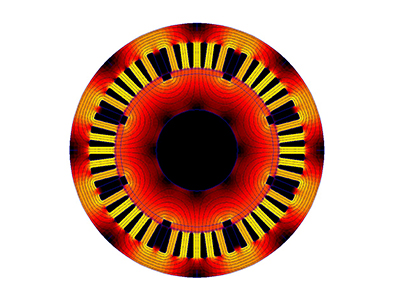
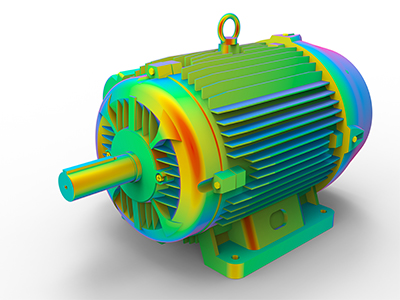
2. Finite Element Analysis (FEA): FEA is a powerful simulation method that predicts stress, strain, and deformation within components or assemblies under various conditions.
3. Fatigue & Durability Analysis: Assesses how repeated loads affect materials over time, helping estimate lifecycle performance and prevent early failure.
4. Failure & Root Cause Analysis: Investigates why a component or system failed and identifies corrective actions to prevent repeated issues.
5. Reliability Engineering: Focuses on maximizing system uptime and performance by assessing failure modes, statistical reliability metrics (like MTBF/MTTF), and lifecycle risk.
6. System Safety Engineering: Analyzes hazards and risks throughout the lifecycle to ensure safe operation and regulatory compliance. Methodologies include FTA, PRA, SFHA, and hazard identification frameworks.
7. Thermal & CFD Analysis: Thermal analysis identifies temperature effects on performance, and CFD (Computational Fluid Dynamics) evaluates fluid behavior – both essential for thermal management and system efficiency.
Benefits of Professional Engineering Analysis
Professional engineering analysis delivers measurable value:
– Higher reliability: Engineered evaluations minimize unexpected failures and boost uptime.
– Increased safety: Systematic analysis highlights safety risks and helps implement mitigations early.
– Cost savings: Identifying problems early prevents expensive redesigns, recalls, and retrofits.
– Better engineering decisions: Quantitative insights guide design choices instead of guesswork.
How Engineering Analysis Works (Typical Workflow)
A robust engineering analysis project generally follows these steps:
– Discovery & Problem Definition – Understand performance goals, constraints, and operating environments.
– Data Collection – Gather CAD files, material properties, loads, and boundary conditions.
– Modeling & Analysis – Run simulations (FEA/CFD) or analytical calculations.
– Validation & Verification – Check assumptions and results against benchmarks.
– Reporting & Recommendations – Deliver clear results with actionable next steps.
Who Can Benefit from Engineering Analysis?
Engineering analysis is used across many industries, including:
– Aerospace & defense
– Heavy manufacturing
– Automotive & transportation
– Energy & utilities
– Consumer product design
– Medical devices
– Industrial equipment
Any product or system that must withstand loads, environmental conditions, or safety requirements can benefit from professional analysis.
FAQs – Engineering Analysis Made Clear
Q1. What is the purpose of engineering analysis?
Engineering analysis identifies how systems behave in real conditions to ensure reliability, safety, and performance.
Q2. How does engineering analysis differ from testing?
Analysis uses calculations and simulation; testing validates results physically. Both are complementary.
Q3. What deliverables should I expect?
Professional reports include assumptions, findings, risk matrices, and recommendations.
Q4. When should I invest in engineering analysis?
Before manufacturing, when evaluating failures, or when optimizing design performance.
Let’s Build Resilient Futures
Engineering analysis services empower design teams to build safer, more reliable, and higher-performing systems. Whether for complex aerospace components or industrial machinery, professional analysis bridges the gap between design intent and real-world performance.
By integrating advanced analytical methods, expert interpretation, and actionable reporting, engineering analysis becomes a strategic asset – not just a technical step.