In today’s world, product reliability and safety are not optional. They are essential. Customers expect stable systems. Industries demand compliance. Small design errors can lead to large losses. For this reason, strong analysis methods are part of every serious development process.
At DANSOB, we focus on structured and proven techniques. These methods help reduce risk. They also improve performance and long-term durability. Through our experience in advanced engineering environments, we understand how early engineering analysis services protect both product value and human safety.
Here we explains the core techniques that improve reliability and safety in modern engineering projects.
Why Engineering Analysis Is Important?

Technology is growing fast. Systems are more complex than before. Products now include software, electronics, and mechanical parts working together. A single weak link can affect the entire system.
Engineering analysis helps detect weak points early. It prevents failures before production. It reduces redesign cost. It also improves product life.
We have explained this further in our article on reducing risk, cost, and design failures. These methods help teams move from reactive correction to proactive prevention.
In short, analysis saves time, money, and reputation.
1. Reliability Engineering
Reliability engineering studies how long a system performs without failure. It looks at failure patterns. It studies stress levels. It predicts product life.
This method uses data and modeling. Engineers calculate failure rates. They examine component strength. They test environmental impact.
Common tools include:
- Failure rate prediction
- Reliability block diagrams
- Statistical life data analysis
- Accelerated life testing
Reliability models also use digital simulation tools. These tools improve accuracy. They reduce physical testing cycles.
Our structured reliability approach ensures products perform under real-world conditions. We apply clear processes that strengthen long-term system stability.
2. System Safety Engineering
Safety is not only about meeting standards. It is about preventing harm. System safety engineering identifies hazards early in design.
This method evaluates risks. It studies possible failure modes. It defines mitigation actions.
Key techniques include:
- Hazard analysis
- Fault Tree Analysis (FTA)
- Failure Modes and Effects Analysis (FMEA)
- Risk assessment matrices
Each method examines how a failure can occur. It also studies the impact. The goal is simple. Remove hazards before they reach the user.
In complex industries such as aerospace, defense, and medical systems, safety engineering is critical. It protects human life. It protects company credibility.
Our team applies disciplined safety methods that align with global compliance standards. This ensures systems are both reliable and safe.
3. Maintainability Engineering
A reliable product must also be serviceable. Maintainability engineering studies how quickly a system can be repaired.
It focuses on:
- Access to components
- Repair time reduction
- Maintenance planning
- Spare part strategy
In 2026, downtime cost is high. Companies need fast recovery. Good maintainability design lowers operational disruption.
We evaluate repair procedures during design. We identify complex service steps. We improve accessibility. This reduces long-term ownership cost.
4. Root Cause Analysis (RCA)
When failures occur, they must be studied carefully. Root Cause Analysis identifies the true source of the problem.
This method avoids guesswork. It studies data. It reviews system behavior. It finds the underlying issue.
Common RCA tools include:
- 5 Whys method
- Fishbone diagram
- Data trend analysis
- Event sequence mapping
RCA improves future design. It prevents repeat failures. It strengthens reliability over time.
We integrate RCA into continuous improvement programs. Every issue becomes a lesson for better engineering.
5. Finite Element Analysis (FEA)
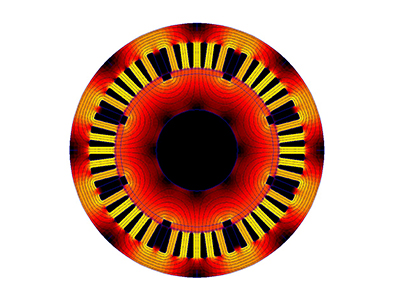
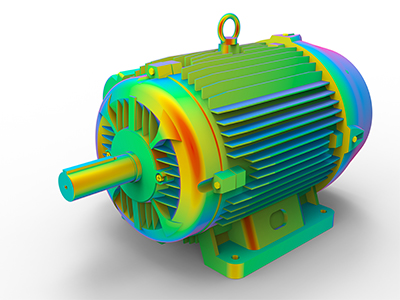
FEA is a simulation technique. It studies stress, heat, vibration, and structural performance.
Engineers create digital models. They apply load conditions. The software calculates stress distribution.
This method helps to:
- Detect weak points
- Improve structural strength
- Reduce material cost
- Enhance durability
In 2026, FEA tools will be more precise. They reduce the need for repeated prototypes. This saves development time.
We use simulation as a decision tool. It supports safe design before manufacturing begins.
6. Failure Modes and Effects Analysis (FMEA)

FMEA is a structured method. It identifies possible failure modes in a system.
For each failure, engineers evaluate:
- Cause
- Effect
- Severity
- Occurrence
- Detection
A risk priority number is calculated. High-risk issues receive immediate attention.
FMEA supports design improvement. It improves product confidence. It also supports regulatory documentation.
Our team uses FMEA early in development. This reduces last-minute design corrections.
7. Design Verification and Validation
Verification ensures the design meets requirements. Validation ensures the product meets user needs.
Both are important.
Verification answers: Did we build the product correctly?
Validation answers: Did we build the correct product?
Testing methods include:
- Environmental testing
- Functional testing
- Stress testing
- Performance testing
We apply structured test plans. We compare results with design goals. This ensures product readiness before launch.
8. Risk-Based Engineering Decisions
Modern engineering uses risk-based thinking. Not all failures have equal impact. Resources must focus on critical risks.
Risk-based engineering evaluates:
- Probability of failure
- Severity of outcome
- Detectability
This approach helps teams prioritize improvements. It increases efficiency. It supports safe resource allocation.
Our engineering analysis services follow a structured risk model. This improves reliability while controlling development cost.
9. Integrated Engineering Approach
In 2026, systems are interconnected. Mechanical, electrical, and software teams must collaborate.
An integrated analysis approach ensures:
- Cross-discipline communication
- Unified risk assessment
- Complete system review
Many engineering companies work in isolated segments. We work across the system. This prevents hidden gaps between subsystems.
Our integrated strategy aligns reliability, safety, and performance goals.
How DANSOB Supports Reliable and Safe Products?
We provide specialized engineering analysis services that focus on prevention. Our methods are structured. Our reviews are detailed. Our goal is long-term performance.
We do not rely on assumptions. We use data and modeling. We study real conditions. We support industries that demand precision.
Our expertise helps clients:
- Reduce design failures
- Improve safety margins
- Lower lifecycle cost
- Meet compliance standards
- Increase product lifespan
Through disciplined analysis and engineering insight, we build confidence into every project.
Frequently Asked Questions
1. What are engineering analysis services?
It studies product performance before production. They evaluate reliability, safety, and structural strength. These services help prevent failure and reduce risk.
2. Why are these services important in 2026?
Products are more complex today. Systems include software and electronics. Small errors can cause serious issues. Analysis helps detect problems early.
3. How do engineering analysis companies improve reliability?
They use structured tools like FMEA, FTA, and simulation modeling. These tools identify weak points. Engineers then correct them before manufacturing.
4. When should analysis begin in a project?
It should begin during the design stage. Early analysis reduces redesign cost and delays.
5. Does engineering analysis reduce cost?
Yes. Preventing failure during design is less expensive than fixing issues after production.
Conclusion
DANSOB uses established methods to maintain performance while minimizing operational hazards. The organization develops trustworthy engineering solutions through its research and digital simulation work and its systematic assessment process.
Present-day analysis work leads to the creation of safer products for future use.