Every product has a life limit. Machines do not work forever. The system will eventually stop functioning as its parts wear out. Engineers require knowledge of product operational limits to determine safe operating periods for equipment.
Predicting product life is an important part of engineering. It helps companies build safe products. It also helps them avoid sudden failure.
Engineers use many methods to study product life. One of the most important methods is system reliability engineering. This method studies how a system performs over time. It also helps engineers understand where failures may happen.
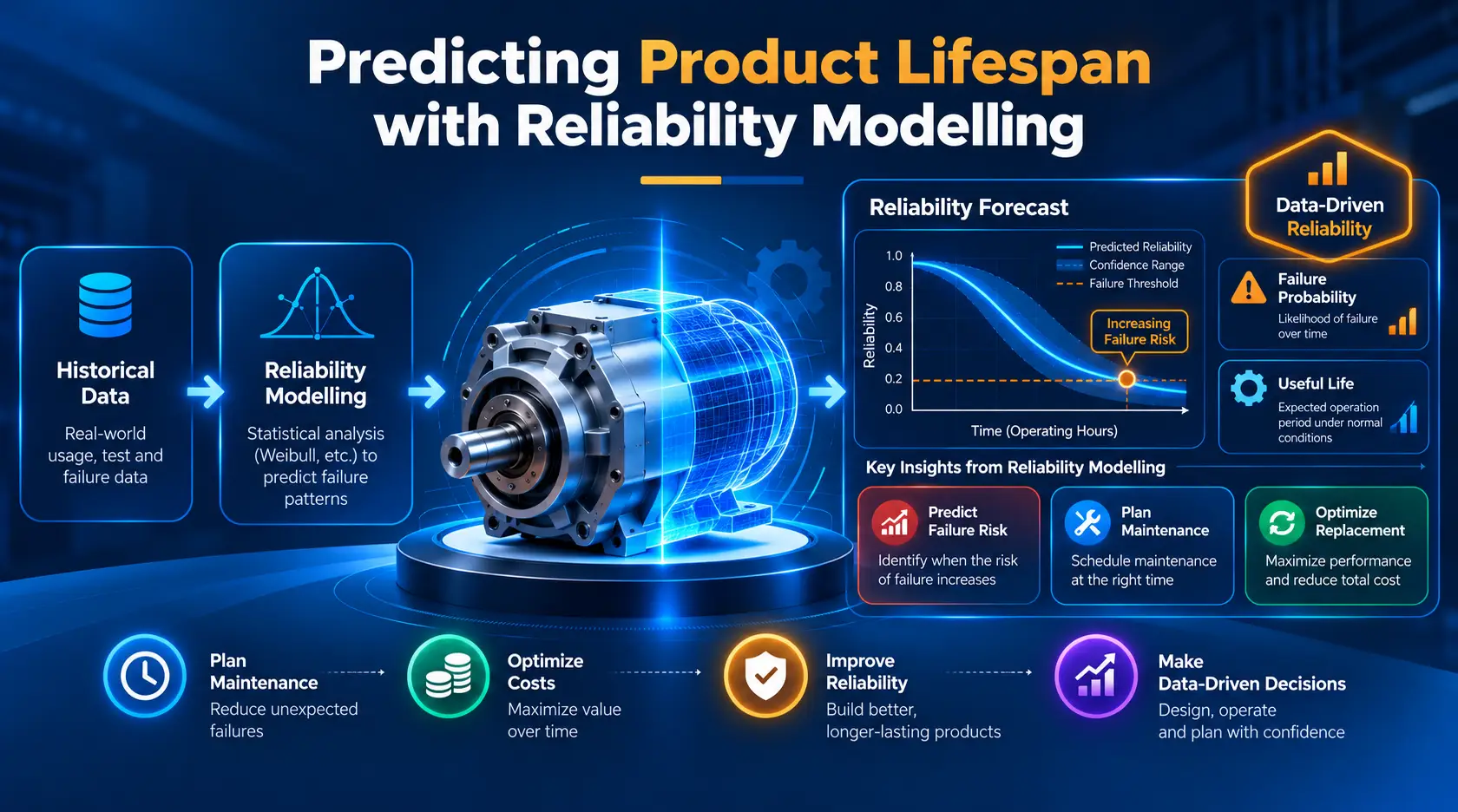
Reliability modelling is not guesswork. It is a planned process. Engineers study data, test systems, and build models. These models help them estimate how long a product may last.
Many industries depend on this work. Aerospace, automotive, and energy companies all use reliability modelling. It helps them build systems that are strong and dependable.
In this article, we will explain how engineers predict product lifespan using reliability models. We will also look at how expert engineering services support this process.
What does Product Lifespan Mean?
Product lifespan means the time a product can work before failure happens. It shows how long the system can perform its job.
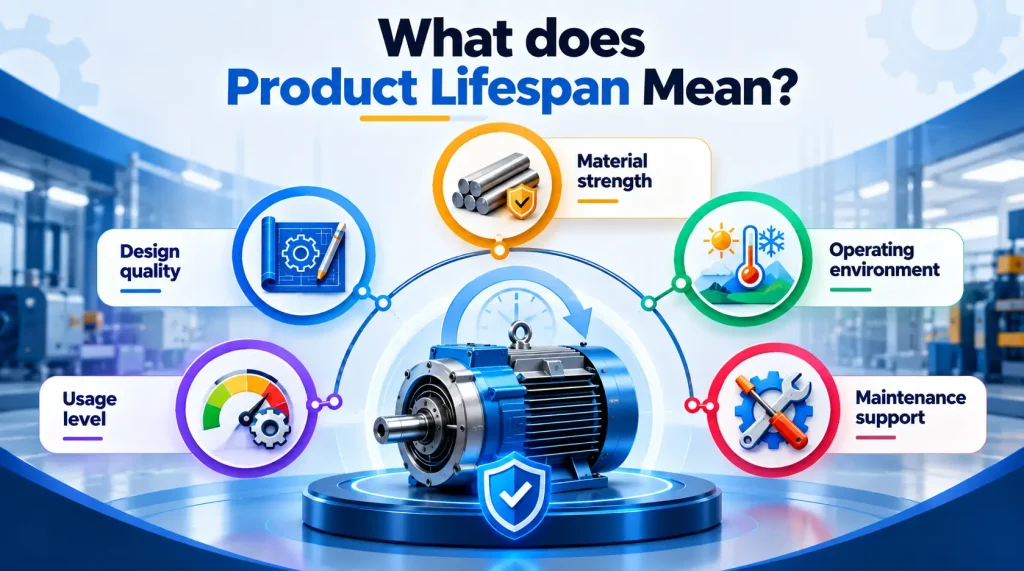
For example, a machine may be designed to work for ten years. An electronic system may work for thousands of hours before failure.
Many things affect product lifespan, such as:
- Design quality
- Material strength
- Operating environment
- Usage level
- Maintenance support
If a system works in harsh conditions, its life may become shorter. Heat, dust, and heavy loads can increase wear.
Because of this, engineers must study many conditions before predicting product life.
This work is also part of reliability and maintenance engineering. It helps engineers understand how systems fail and how they can last longer.
What Is Reliability Modelling?
Reliability modelling is a method used to predict system performance over time. Engineers use data and math models to study failures.
Instead of waiting many years to see failures, they simulate system behavior using models.
These models help answer simple questions:
- How long will the system work?
- Which component may fail first?
- How often can failure happen?
By studying these questions, engineers can estimate product life early in the design stage.
This also helps companies improve their products before they reach customers.
Step 1: Collecting System Information
The first step in reliability modelling is data collection. Engineers gather information about the system and its parts.
This includes:
- Material details
- Operating conditions
- Load levels
- Temperature exposure
- Usage frequency
Past product data is also useful. If a similar product failed in certain ways, engineers can learn from it.Good data helps engineers build accurate reliability models.Without correct data, predictions may become weak or incorrect.
Step 2: Identifying Possible Failures
Next, engineers study how a system may fail. These are called failure modes.A failure mode shows the way a part may stop working.Some common failure types include:
- Mechanical wear
- Electrical overload
- Material fatigue
- Corrosion
Understanding these risks helps engineers find weak points in the system.
During this stage, expert engineering teams often support companies with system studies and failure analysis.
Organizations like DANSOB provide specialized reliability engineering services that help identify possible failures early in the design process.
This helps companies improve system strength before production begins.
Step 3: Building Reliability Models
After studying failures, engineers create reliability models.These models show how different parts affect the whole system.Some systems have many connected parts. If one part fails, the entire system may stop.Engineers build models that represent these connections.
Some common tools used in modelling include:
- Reliability block diagrams
- Fault tree analysis
- Statistical models
These tools help engineers see how failures spread through the system.With these models, engineers can test many situations without building real products.
Step 4: Testing the Product
Testing is also important in reliability work.Engineers run special tests to see how products behave under stress.
Some common tests include:
- Stress testing
- Environmental testing
- Accelerated life testing
Accelerated tests increase stress conditions. This helps engineers see failures faster.
For example, a product designed to last ten years may be tested under extreme conditions for a few weeks.
The results help engineers improve their reliability models.
Step 5: Predicting Product Life
- After modelling and testing, engineers calculate product lifespan.
- They use statistical data to estimate how long the system will work.
- One common measurement is Mean Time Between Failures (MTBF).
- This shows the average time a system works before failure.
- Engineers also calculate failure rates and reliability percentages.
- These numbers help companies plan product maintenance and improvements.
Why Reliability Engineering Services Matter?
Reliability work often requires deep technical knowledge. Many companies depend on expert teams for advanced analysis.Specialized engineers review system design and study risks carefully.Their work supports it by improving safety and system performance.
Professional engineering support can help companies:
- Detect design problems early
- Reduce product failure risk
- Improve system performance
- Increase product life
This support becomes very important in industries where system failure can cause large losses.
Maintenance and Product Life
Reliability modelling also helps plan maintenance.If engineers know when parts may fail, they can schedule service before problems occur.This reduces unexpected breakdowns.This approach is a key part of reliability and maintenance engineering.
Maintenance planning helps companies:
- Reduce downtime
- Improve safety
- Extend system life
Industries like aviation and rail transportation depend on these methods.
They must ensure systems operate safely for many years.

Industries That Use Reliability Modelling
Many industries depend on reliability analysis.
These industries require strong systems and long product life.
Some examples include:
- Aerospace systems
- Automotive manufacturing
- Energy systems
- Medical equipment
- Defense technology
In these industries, even a small failure can cause serious problems.
Reliability modelling helps engineers reduce these risks.
Conclusion
Predicting product lifespan represents a fundamental requirement for contemporary engineering work. Engineers use data together with testing and modelling methods to study system performance throughout its operational lifespan. Through this service, companies gain the ability to identify early product defects, which enables them to enhance their product development process.
FAQs
1.What is system reliability engineering?
It is the study of how systems perform over time. Engineers use it to predict failures and improve product lifespan.
2.Why do engineers predict product lifespan?
It helps companies design better systems. It also reduces unexpected failures and improves safety.
3.What is reliability modelling?
Reliability modelling uses data and mathematical models to estimate how long a product will work before failure.
4.How does reliability engineering improve product life?
Engineers identify weak parts in the system and improve the design. This helps the system last longer.
5.Why do companies use reliability engineering services?
These services provide expert analysis of system performance and risks. They help companies create stronger and safer products.