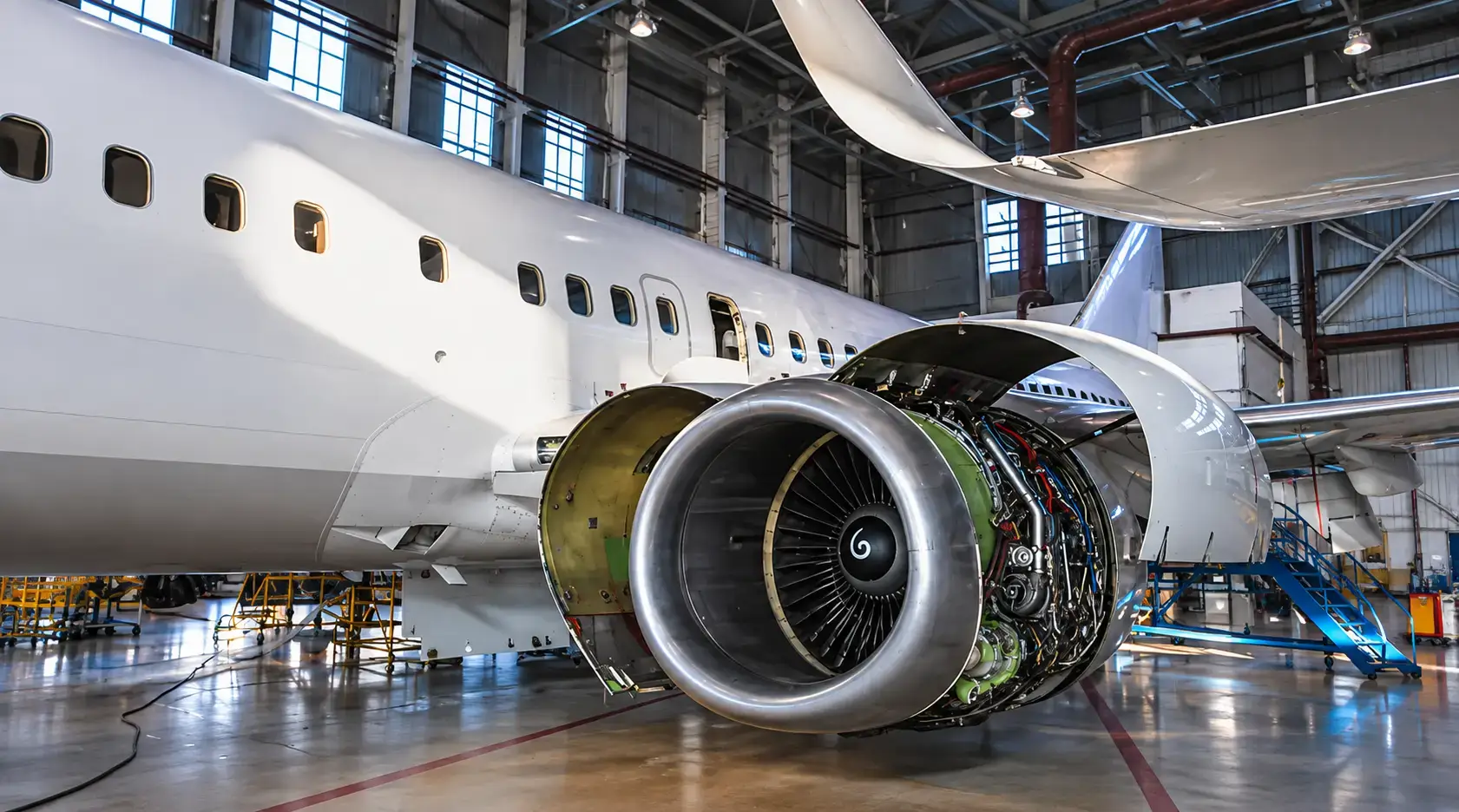
The aviation sector has come a long way and is very much focused on innovative ways of safety, dependability, and efficiency throughout the whole process. The aircraft system has become more complex. The aerospace industry has evolved and now demands expertise in aero systems engineering services, which involves accurate design and engineering.
Such services help make airplanes more reliable, efficient, and future-ready from a performance standpoint. High-tech systems engineering has emerged as an important consideration in the aerospace segment for vibration reduction, electrical power systems, and other factors.
The Growing Importance of Aero Systems Engineering
Tight integration of systems instead of separate components is the most important characteristic of the modern aerospace industry. The performance, safety, and lifecycle cost of each subsystem are interrelated.
Aero systems engineering adheres to global design and technical validation. It ensures that the mechanical, electrical, and control systems run as one. This reduces performance risks across the development and operational phases.
Key drivers shaping aerospace systems engineering include:
- Rising expectations for passenger and pilot comfort
- Increased reliance on electric and digital subsystems
- Stricter safety and certification requirements
- Demand for lighter, more efficient aircraft
Engineering service providers tackle these kinds of design and analysis problems head-on. They provide specialized skills that other aerospace manufacturers hardly develop internally or support over time.
Systems Engineering as a Foundation for Safety and Operability
Aerospace companies prioritize safety. Through systems engineering, safety considerations are incorporated into the design throughout the engineering process.
This engineering discipline evaluates how aircraft systems behave under normal and extreme conditions. Various techniques, such as simulation, modeling, and failure analysis, are applied by engineers to predict the responses of the system.
Critical safety-focused engineering activities include:
- Requirements definition aligned with regulatory standards
- Functional decomposition of complex systems
- Failure modes and effects analysis for subsystems
- Validation through simulation and physical testing
Aerospace companies, through this systematic method, manage operational risks and at the same time, increase certification readiness and gain reliability in the long run.
Active Vibration Control for Rotorcraft Stability
Rotorcraft experience persistent vibration due to rotor dynamics. Pilot comfort, performance of avionics, and structural lifespan are some of the areas that are affected by these vibrations.
Active vibration control systems counteract these forces in real time. Engineers design these systems to target specific vibration frequencies generated during flight.
Key technologies used in active vibration control include:
- Anti-resonant isolators that block vibration transfer
- Piezoelectric actuators that generate counteracting forces
- Magnetostrictive struts for adaptive vibration suppression
Engineering teams perform detailed dynamic modeling to tune these systems. The result is reduced cockpit noise and lower airframe stress. These improvements enhance flight stability and extend component life.
Precision Engineering for Aerial Refueling Systems
The aerial refueling process tests the mid-air stability and precise connectivity mechanisms. Any minute misalignment might result in difficulties with fuel flow or put personnel safety at risk.
Systems engineering supports the design of robust refueling mechanisms. Engineers analyze aerodynamic interactions between tanker and receiver aircraft.
Design and analysis efforts focus on:
- Aerodynamic modeling of wake turbulence effects
- Structural integrity of refueling booms and probes
- Control algorithms for relative position maintenance
- Dynamic response modeling under varying flight conditions
Through advanced simulation, engineers ensure consistent fuel transfer rates. These solutions support extended missions and operational flexibility.
Electrical Power Distribution in More Electric Aircraft
The More Electric Aircraft trend becomes the hallmark of aerospace innovation in 2026. Electrical alternatives now replace conventional hydraulic and pneumatic systems.
This change makes the role of electrical power distribution engineering even more crucial. The systems are required to bear different loads at the same time and yet be reliable and efficient.
Engineering teams design electrical architectures that address:
- High power density requirements
- Weight and space optimization
- Redundancy for flight-critical systems
- Thermal management of power electronics
The highly efficient power distribution will not only support avionics, environmental management, and sensors but also serve as the basis for future improvements with minimal redesign.
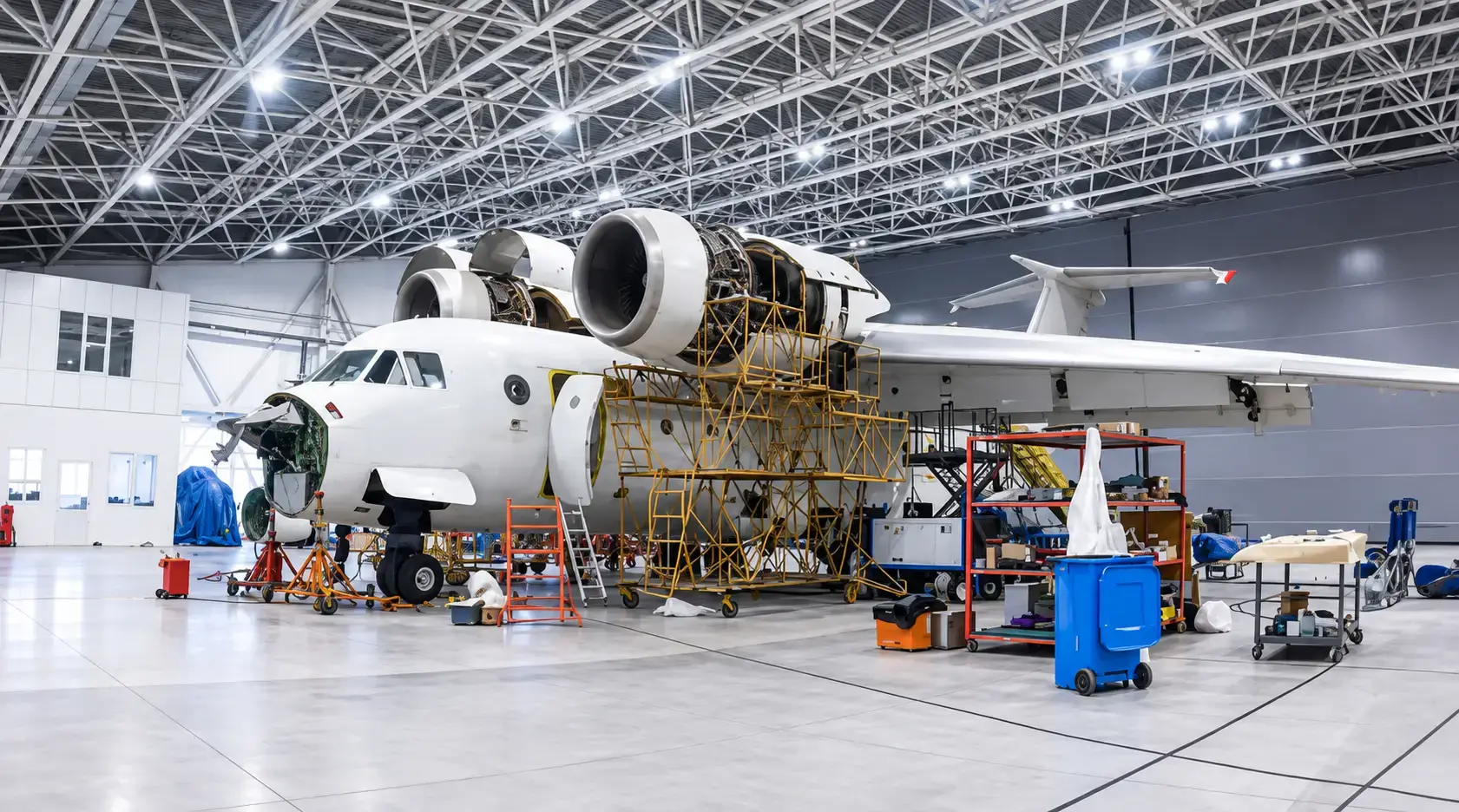
High-Voltage Electrical Power Generation
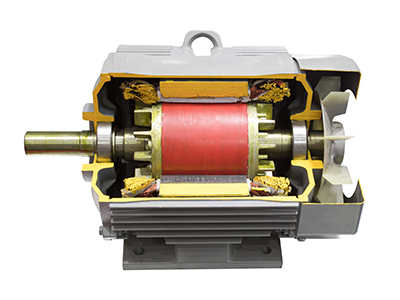
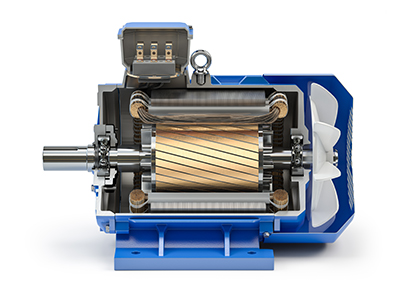
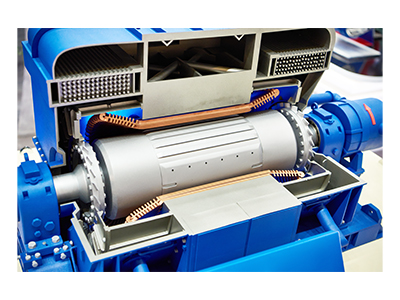
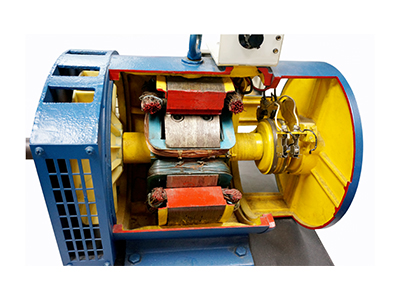
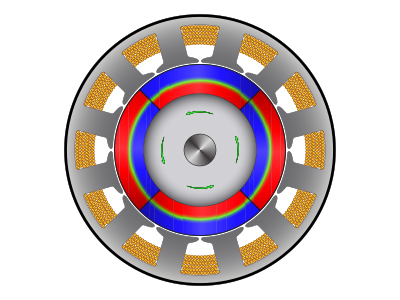
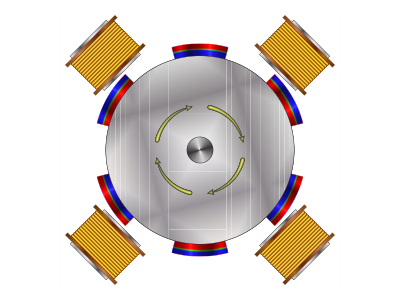
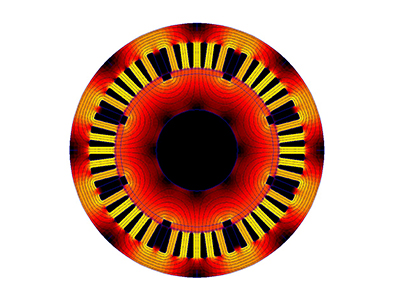
Powered by a unique design, aircraft of the future will require smaller and more efficient electric power supply systems. Electrical power generation in the aircraft industry employs advanced technologies like variable-frequency systems and doubly-fed electric machines to minimize power loss.
It is the engineers’ challenge to set up stable power supplies that can operate in any condition. This often means using synchronous generators and frequency converters in the designs.
Key engineering priorities include:
- Reducing power losses in the course of conversion
- Keeping the insulation at high voltages
- Developing aircraft architectures that are resilient to faults
- Complying with tough safety and certification regulations
Advanced analysis ensures reliability across the aircraft lifecycle. These systems support both current needs and future electrification goals.
Life Support Systems for High-Altitude Operations
Life support systems directly affect pilot performance and safety. At high altitudes, oxygen delivery becomes critical.
Onboard Oxygen Generating Systems provide continuous oxygen without stored tanks. These systems use selective gas separation and pressure-swing adsorption.
Engineering design and analysis focus on:
- Maintaining oxygen purity across flight profiles
- Adapting output to changing cabin pressures
- Reducing system weight and power consumption
- Ensuring reliability during long missions
Well-engineered life support systems improve operational endurance. They also reduce maintenance and logistical complexity.
Digital Engineering and Model-Based Approaches
Digital engineering has transformed aerospace systems development. Model-based systems engineering enables early validation of design concepts.
Engineers create digital representations of systems before physical prototypes. These models simulate interactions between mechanical, electrical, and control elements.
Benefits of this approach include:
- Early identification of integration issues
- Reduced development time and cost
- Improved collaboration across engineering teams
- Better traceability from requirements to validation
Digital workflows support faster innovation while maintaining safety margins.
The Role of Engineering Service Providers
Aerospace industry players often rely on external contractors for technical expertise. Domain experts and engineering service providers come with the necessary knowledge and the potential to scale up their resources.
Dansob supports aerospace clients with design and analysis services focused on system performance. Our company provides structured engineering design and analysis solutions to the aerospace sector.
Engineering service providers contribute value through:
- Multidisciplinary engineering teams
- Proven design and validation processes
- Advanced simulation and analysis tools
- Flexibility to support different program phases
This partnership model enables aerospace companies to focus on core competencies.
Why Aero Systems Engineering Drives Innovation
Immaculate systems engineering is the foundational stone on which the aerospace industry’s innovation rests. Systems engineering connects the dots between design innovation and actual deployment.
Engineers use the latest technologies with strong engineering to empower new capabilities. The capabilities of aerospace innovation span electrification, automation, and safety enhancements.
Aero systems engineering services help organizations achieve:
- Higher system reliability and availability
- Long-term adaptability to new technologies
- Improved safety and certification readiness
- Performance and efficiency maximization
Key Takeaways
The aerospace sector is surely innovating, and high-tech systems engineering shape it’s journey in 2026. The upcoming aircraft systems will require design teams to deal with the engineering complexity, thanks to autonomous, electric power-run, and data-driven aircraft. Systems engineering provides the framework for effectively managing this change.
Organizations that invest in strong engineering partnerships will remain competitive and produce aircraft that are safer, smarter, and more efficient. For companies in the aerospace sector seeking reliable design and operating systems, aero systems engineering services remain an important consideration.